Journal › The Betting Desk › Snooker Betting Markets Explained: What Canadian Bettors Actually See on the Board
The Betting DeskSnooker Betting Markets Explained: What Canadian Bettors Actually See on the Board
The Ontario model is strict. Companies must complete AGCO registration and sign operating agreements with iGaming Ontario before they can take a single wager. The same structure does not automatically apply in Alberta, British Columbia, or elsewhere, though some provinces have moved toward similar licensing schemes. For bettors, the practical result is a patchwork: the legal protections, self-exclusion tools, and dispute-resolution channels available in Ontario may not exist identically across provincial lines.
The Age Gate and Provincial Variation
Ontario sets its gambling floor at 19. Alberta, Manitoba, and Quebec permit play at 18, though provincial regulators vary in how they publish this information and what verification they demand at registration. The AGCO's player-information pages treat age as a gatekeeper condition: no wager without legal status, no account without identity confirmation. Operators face fines and license suspension for breaches. The age distinction matters because an 18-year-old Manitoban cannot legally bet through an Ontario-registered site, even if the same brand operates in both provinces.
Self-Exclusion and the BetGuard System
Ontario's responsible-gambling architecture includes BetGuard, a centralized self-exclusion program launched by iGaming Ontario and referenced in AGCO safer-gambling materials. Enrolment blocks access to all regulated online gambling websites in the province simultaneously, for periods of six months, one year, or five years. The AGCO states that these measures are designed to protect vulnerable people, including youth and players who have self-excluded. The system is operator-agnostic: a single registration covers every AGCO-licensed platform, removing the escape hatch of simply switching sportsbooks.
The Market Menu: What Actually Gets Offered
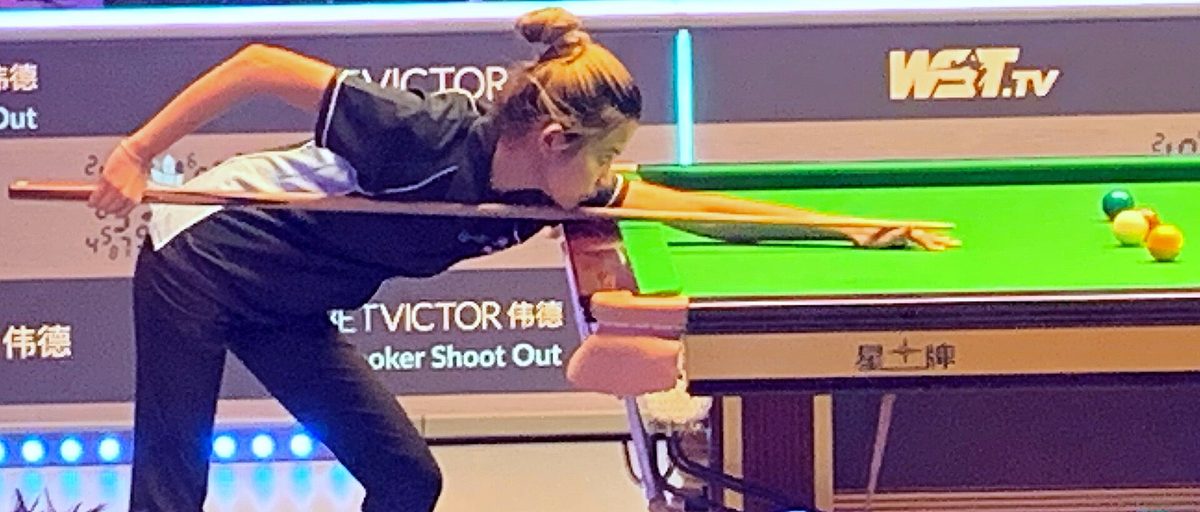
Cue-sports betting in Canada, where it appears, concentrates on a narrow set of outcomes compared with mainstream sports. The match-winner market is standard: moneyline settlement on the player who wins the fixture, with dead-heat rules applying only to tournaments where advancement depends on group-stage position. Frame or rack handicaps apply a notional head start to the underdog; in snooker this might mean Player A starts with a +1.5 frame advantage in a best-of-nine, so any result where Player A loses by a single frame or wins outright pays the handicap ticket. In nine-ball pool, the equivalent is racks rather than frames.
Correct-score betting requires the precise final count: 5-3 in a snooker match that runs to eight frames, or 11-7 in a longer-format professional final. The odds lengthen dramatically because the bettor must nail not just the winner but the margin. Highest-break markets settle on the single largest break made during the match or tournament, with ties typically split under dead-heat rules unless the sportsbook specifies otherwise. Century-break counts apply only to snooker: a bet on whether a player, or the match aggregate, will reach one hundred points in a single visit to the table. Outright markets cover tournament winners, with stakes held until the final is completed and each-way terms—usually half the odds for places one and two—applied at the bookmaker's discretion.
Retirement and walkover handling varies by operator and is not standardized across the Ontario market. Some sportsbooks void all bets if a player withdraws before the match begins; others settle match-winner bets on the advancing player if withdrawal occurs after play has started. The AGCO does not mandate uniform settlement rules for these contingencies. Bettors must check individual house policies, usually buried in terms-of-service documents, before staking.
Why the Board Looks Sparse Compared With Football
Football matches generate dozens of discrete betting events: corners, cards, throw-ins, shots on target, half-time results. Cue sports offer nothing comparable. A snooker frame can last forty minutes with no scoring at all, then resolve in a single visit. The event flow is slow and binary—either a ball drops or it does not—so in-play markets cannot refresh with the frequency that drives liquidity in faster sports. The global betting volume on the World Snooker Championship final is a fraction of a mid-table Premier League fixture. Lower liquidity means fewer traders willing to offer exotic markets, and thinner odds competition on the lines that do exist.
The scoring structure compounds the problem. A football match produces 90 minutes of continuous clock and statistical accumulation. A snooker match produces long stretches of safety play with no relevant metric for bet settlement. Bookmakers cannot easily price micro-events—"next red potted in under 30 seconds"—because the television feed carries a broadcast delay that makes live pricing vulnerable to courtsiding. The result is a market menu that looks thin because the underlying sport offers fewer natural betting triggers.
Live Betting and the Delay Problem
In-play wagering on cue sports exists but operates under mechanical constraints. The television signal runs several seconds behind real action. A spectator in the venue can see a frame conclude before the streaming bettor sees the cue strike. Sportsbooks impose settlement delays—often five to ten seconds between bet acceptance and confirmation—to protect against this asymmetry. During that window, odds can shift or the bet can be rejected. The practice is standard across Ontario-regulated operators but is not uniform in length or application. Some platforms suspend live markets entirely during technical timeouts or while officials review close calls on re-spotted blacks.
The delay matters for settlement integrity. A bettor who stakes on "Player A to win frame 8" during the final black might see the wager accepted after the pot is already made, then cancelled when the system catches up. The reverse—bets accepted on losers because the feed showed a miss that was actually a pot—also occurs and is resolved through voiding and refund. These are operational realities, not regulatory violations, but they shape the live-betting experience in ways that football's faster clock and standardized data feeds avoid.
The Rules Behind the Screen
Cue-sports betting in Canada, where legally available, offers a recognizable but limited menu: match winners, handicaps, correct scores, break records, and tournament futures. Each carries settlement quirks—dead heats, retirement clauses, timing delays—that vary by operator and are not harmonized provincially. The structural thinness of these markets reflects the sport itself: low event frequency, small global liquidity, and scoring that resists granular in-play decomposition.
For Ontario bettors, the legal frame is clear: AGCO registration, iGaming Ontario conduct-and-manage agreements, BetGuard self-exclusion, and age verification at 19. Beyond Ontario, the protections and the product may differ. The decisive question for anyone placing money on snooker or pool is not which player holds form, but which rulebook governs the bet when a match is abandoned, a player retires, or the feed lags behind the action. Those terms live in the sportsbook's settlement policies, not on the betting slip, and they determine whether a winning ticket pays or is voided into the night.