Skip to the main story
Edition updated Halifax billiards desk
Dooly's ProShop JournalPROSHOPJOURNAL

Cue sports, equipment and the betting line

Halifax, Nova Scotia Pool · Snooker · Carom

Cue Sports

Pool, snooker, carom and Russian pyramid: the disciplines, their racks, their scoring, and the history the shop was built on.

  • 9pages in this section
  • 6journal articles
  • 3features

Cue sports are not one game with local variations. Pool, snooker, English billiards, carom and Russian pyramid use different tables, different balls and different definitions of a legal shot, and the rulebooks behind them are written by different bodies that do not always agree. This section takes them one at a time and says what actually differs, starting with the rules a player is most likely to break without noticing.

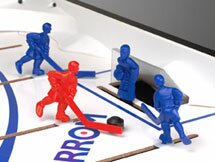
Hockey tables (like the one shown here) are also available through Dooly’s ProShop. Call or e-mail us for additional information.
“Hockey tables (like the one shown here) are also available through Dooly’s ProShop. Call or e-mail us for additional information.”The shop’s own words under this photograph in the archived catalogue
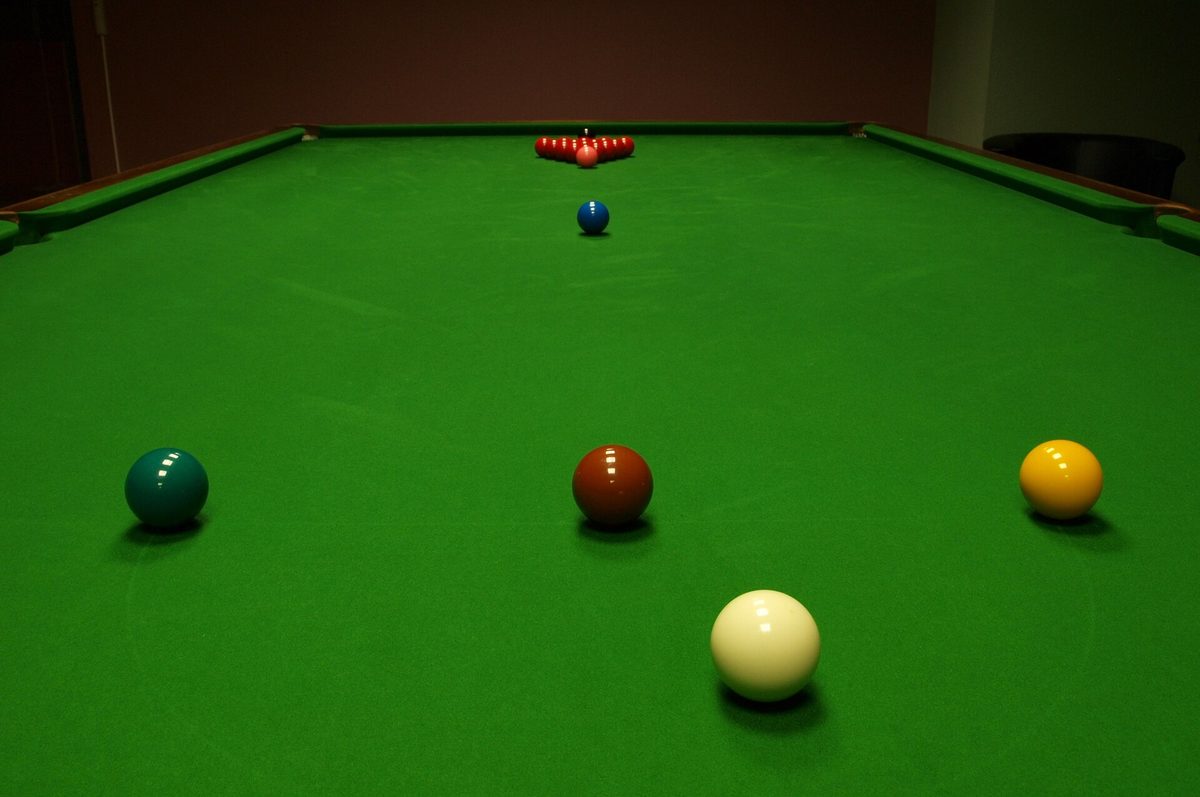
A snooker table with every ball on its starting spot
A snooker table with every ball on its starting spot Foto: barfisch / Wikimedia Commons · CC BY-SA 3.0

Discipline rack

Four games, four racks, four ways to score

Every figure in this table is taken from the history of the game reproduced on this site, condensed by Mike Shamos for the Billiard Congress of America. Eight-Ball was invented shortly after 1900, Straight Pool followed in 1910, Nine-Ball around 1920.

DisciplineObject ballsTableHow it scores
English Billiardsthreelarge rectangular, six pocketsdominant in Britain from about 1770 until the 1920s
Snooker22the same equipment as English Billiardsoffensive and defensive play in one frame
American Four-Ball Billiardsfour — two white, two red11 or 12 ft, four pocketspocketing, scratches and caroms; up to 13 points on one shot
Straight railthreepocketlesssimple caroms — the forerunner of all carom games
Fifteen-Ball Pool15, numbered 1 to 15pocket tablethe value of the ball; 61 of the rack’s 120 points wins
Continuous Pool15pocket tableone point a ball, carried on from rack to rack
apex on the foot spot
Eight-ball rack: the apex ball on the foot spot, the eight in the middle of the third row.

Leading this section

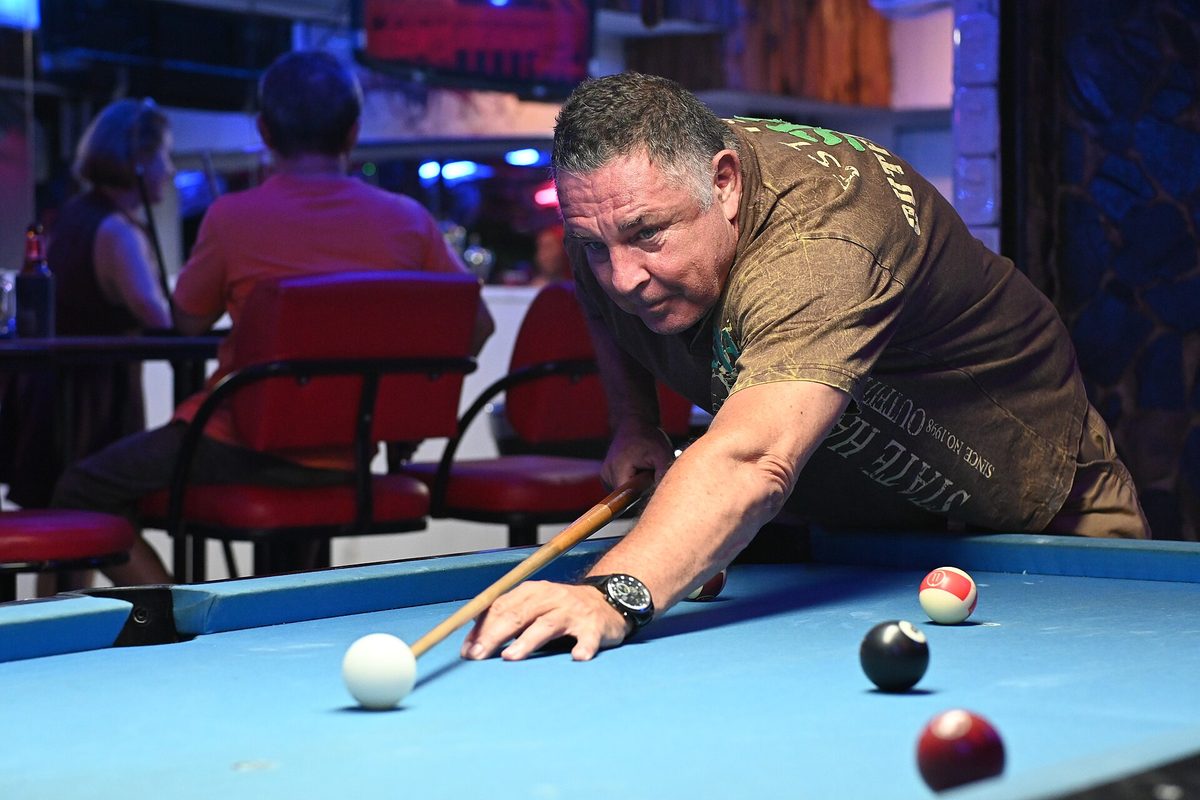
A player lines up in a dim billiards hall, eyes on the cue ball
Foto: PattayaPatrol / Wikimedia Commons · CC BY-SA 4.0
Cue Sports

Why Your 8-Ball Break Might Not Count—Even If You Sink the 8

The WPA World Standardized Rules mandate that fifteen object balls be racked "as tightly as possible in a triangle," with the apex ball on the Foot Spot and the 8-ball positioned as the first ball directly below that apex.

Journal
  1. 9-Ball and 10-Ball, Side by Side: The Break That Does Not WinJournal
  2. Why a Pool Player Can't Just Pick Up a Snooker Cue and WinJournal
  3. Russian Pyramid Rules: Why Your Pool Skills Won't Help on a 12-Foot Table with Near-Pocket-Sized BallsJournal
  4. Three-Cushion Billiards Rules: How to Score on a Table With No PocketsJournal
  5. Straight Pool's 832-Ball Record Depends on a Rule That Lets the Shooter Never Leave the TableJournal

Everything in Cue Sports

Listed in the order the section reads: journal first, then features, answers, equipment notes and catalogue indexes.

What is in this section

The eight-ball break is the clearest example: a shot that looks successful can be illegal, and the reason is in the rack rather than in the stroke. From there the section fans out — nine-ball against ten-ball, where the break stops being a way to win; snooker against pool, where the equipment defeats the transfer of skill; three-cushion carom, scored on a table with no pockets at all; and straight pool, whose famous records depend on a rule that lets a runner never leave the table.

Governance gets its own piece in the Newsroom, because the question “who writes the rules” has more than one answer and the answer matters when two sources disagree. Here the emphasis is on the table: what the discipline demands, what the equipment has to be, and which habit from the last game will cost you the first frame of the next one.