Journal › Table Lab › Moving a Slate Pool Table Is a Rebuild Job, Not a Carry Job
Table LabMoving a Slate Pool Table Is a Rebuild Job, Not a Carry Job
What a Proper Move Actually Includes
A slate table cannot be carried intact. The slate bed—one solid slab or three joined sections—rests on a frame, and the seams between slate pieces will shift if the bed flexes. According to LeaguePool's moving guide, the proper sequence is removal of the pockets and rails, detachment of the cloth, unscrewing of the slate from the cabinet, breakdown of the cabinet and legs, transport of all pieces separately, and full reassembly with re-levelling at the destination. A residential table manufacturer lists the same scope: crew sets the cabinet, levels the slate, seams the joints, stretches the cloth, mounts the rails, and installs the pockets. The work is mechanical, not muscular.
How the Slate Comes Apart
The teardown follows a specific order, though sources describe it with slight variations in emphasis. LeaguePool's guide gives this sequence: remove pockets and unbolt rails, remove rail cloth, unfasten bed cloth from the slate, unscrew slate from the cabinet, then break down cabinet and legs. Three-piece slate is set centre section first, then the end sections, so removal runs the other way. The cloth must be detached carefully; staples or adhesive hold it to the slate, and it must be removed without tearing if it is to be reused. The rails, which bolt to the cabinet and often to each other at the corners, come off as assemblies with their pockets attached.
Why the Slate Must Stay Flat
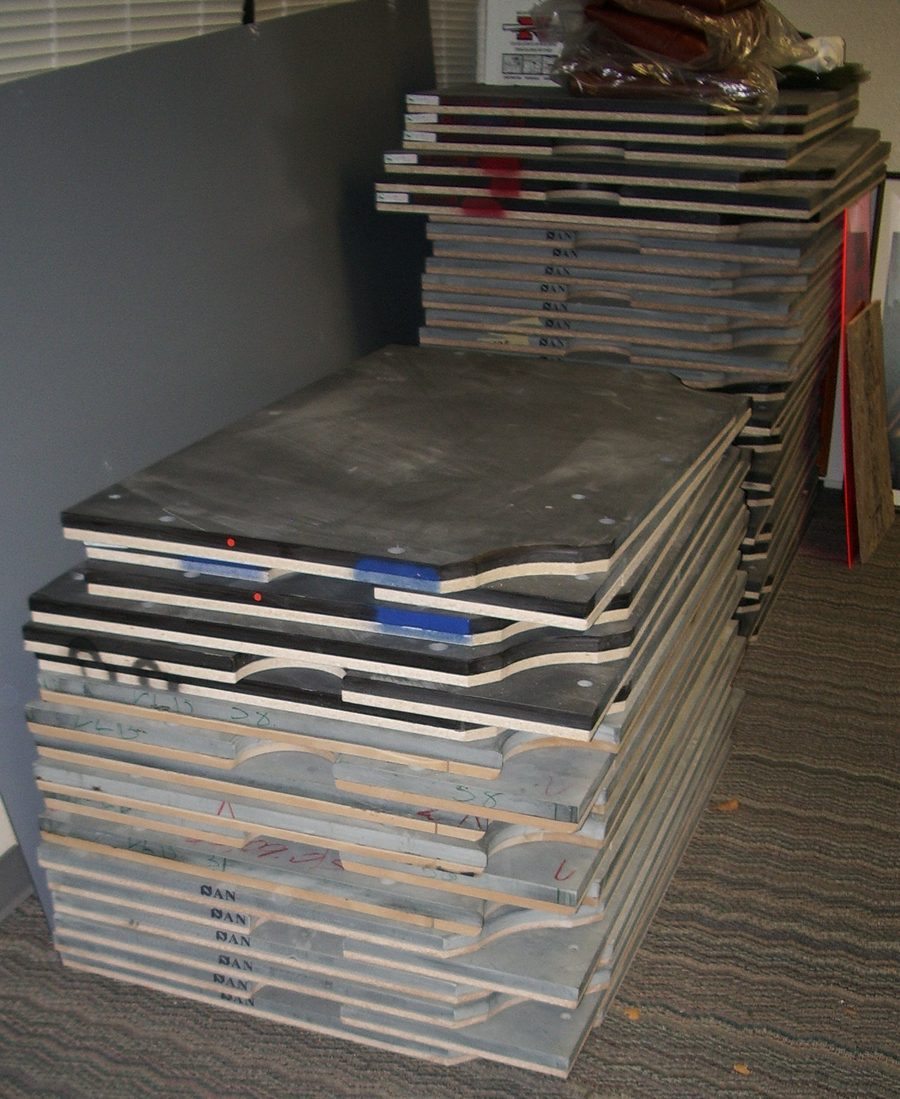
Slate transport has one inviolable rule: flat, padded, never on edge. Every moving guide is explicit on this point. Slate pieces must be loaded flat and secured with straps, with nothing stacked on top. Two people minimum handle each piece, lifting from the edges, never the corners. The same guide warns that slate on edge, unsupported, is likely to crack. The material is stone. Flat support distributes weight; edge support concentrates it. The warning is practical: movers have seen the cracks.
What Happens at the Seams
Three-piece slate, the standard for full-sized tables, leaves gaps where the sections meet. These must be eliminated during reassembly. Panels are positioned, shimmed, and levelled to eliminate seams and keep the playing surface consistent. LeaguePool adds the finishing detail: seams are filled with beeswax or filler compound, then smoothed so no ball can feel the transition. The work is fussy. The slate must be level relative to itself and to gravity before the filler goes in; the filler must be flush with the surface; the excess must be removed without scoring the stone. Playable tables have been ruined by sloppy seam work.
Why the Cloth May Need to Come Off
Cloth is not permanently attached to slate. It drapes over the slate, centred with equal overhang, and is stapled or glued once the slate is positioned. This means cloth removal is routine during disassembly, and cloth replacement is routine during reassembly—especially if the cloth has stretched, stained, or torn, or if the owner wants fresh felt. Cloth stretching is a standard step in the rebuild. The cloth cannot simply be smoothed back down if the slate has been lifted; the bed must be re-covered, tensioned, and trimmed. This is why "re-felt" is often quoted as a separate line item on moving estimates.
The Rebuild at the Destination
Reassembly reverses teardown with added precision. Three-piece slate goes in centre section first, then the end sections, each one positioned and levelled before the next arrives. Shimming brings the bed to true. The seams are filled and smoothed. Then the cloth is stretched, the rails mounted, and the pockets installed. The final step is comprehensive levelling: not just getting the slate flat, but adjusting the cabinet legs or feet so the table is level to the room. A table that is flat but tilted plays like a table that is not flat. The crew tests with levels and with rolls, adjusting until play is true.
The job ends when the table plays, not when the pieces are assembled.